
PAPTIDES
Buy Peptides Online for Research | COA Guide
Researchers looking to buy peptides online for laboratory research should evaluate peptides as research-use-only laboratory materials, not consumer products. For laboratory buyers, the key considerations are peptide identity, purity documentation, batch-specific COAs, lot traceability, product labeling, analytical testing, product form, storage information, and supplier transparency. This guide explains how to evaluate peptides for controlled research procurement through Pure Lab Peptides while keeping the discussion limited to documentation, quality review, and research-use-only sourcing.
Fast Answer: Buy Peptides Online for Research
Researchers can buy peptides online for laboratory research by reviewing RUO labeling, batch-specific COA documentation, purity data, identity information, storage guidance, and supplier transparency before selecting a source. Products discussed in this article are intended for laboratory research use only and are not intended for human or animal consumption.
What Does “Buy Peptides Online” Mean in a Research Context?
The phrase buy peptides online is addressed here as laboratory research procurement intent, not personal-use intent. In this context, “buy peptides” refers to the process qualified researchers, laboratory buyers, research institutions, and technical procurement teams use to evaluate peptide materials before adding them to a controlled research workflow.
That evaluation should focus on documentation. A research procurement review should ask whether the supplier clearly labels peptide materials for research use only, whether a batch-specific certificate of analysis is available, whether purity and identity information are documented, whether the lot number is traceable, whether the product form is clearly stated, and whether storage and handling information is available before laboratory intake.
Research-use-only sourcing should also be consistent with product labeling and supplier language. FDA guidance discussing products labeled for research use only emphasizes that RUO positioning should align with the product’s stated intended use, which is why peptide procurement language should remain separate from clinical, diagnostic, therapeutic, or consumer-use language
Peptides Research Material Overview
Peptides are generally defined as compounds formed from two or more amino acid residues linked by peptide bonds IUPAC-IUB nomenclature guidance also provides standardized conventions for representing amino acids and peptide sequences in scientific contexts [3]. In laboratory documentation, peptides may be described by sequence, residue count, molecular weight, terminal groups, salt form, modification pattern, product form, analytical method, and purity documentation.
Because this article discusses peptides as a broad research-material category, the term “peptides” should not be treated as one compound. A research peptide may be a short peptide, a longer synthetic peptide, a peptide fragment, a cyclic peptide, a modified peptide, a peptide analog, or a multi-component peptide blend. PubChem describes peptides as compounds formed from two or more amino acids connected by peptide bonds, while IUPAC separately defines polypeptides as peptides containing ten or more amino acid residues [4] [5].
For procurement purposes, the broad category name is only the starting point. Researchers should evaluate the specific product name, sequence or molecular description where relevant, stated molecular weight where relevant, batch-specific COA, identity testing, purity documentation, lot number, product form, and storage documentation.
Modern peptide research materials are often discussed in connection with synthetic peptide chemistry. Merrifield’s work on solid-phase peptide synthesis established a foundation for sequence-directed peptide synthesis, and later Fmoc-based peptide synthesis literature describes widely used approaches for assembling synthetic peptides [6] [7] [8]. Reaction monitoring methods, including color tests for free terminal amino groups, have also been discussed in solid-phase peptide synthesis workflows [
Why Laboratory Buyers Search to Buy Peptides Online
Laboratory buyers search to buy peptides online because peptide procurement often requires more than product availability. Technical teams may need to compare RUO labeling, COA access, lot-level documentation, identity data, purity records, storage information, product form, and supplier transparency before selecting a research-use-only source.
For a broad category such as peptides, this review is especially important. Different peptide materials may differ in sequence, residue count, molecular weight, modifications, analytical behavior, and storage considerations. A product category name alone does not establish whether a specific research material is suitable for a laboratory workflow. Documentation should be reviewed at the product and batch level.
Researchers comparing suppliers should prioritize clear research-use-only positioning, batch-specific COA documentation, HPLC or LC-MS information where provided, lot number consistency, and transparent product-page details. Supplier language should remain focused on compound identity, purity documentation, analytical review, and laboratory procurement rather than outcomes, personal use, or product-use claims.
Research Peptide Categories and Catalog Navigation
A peptide catalog may include several types of research materials. Each category can require a slightly different documentation review, but the core procurement questions remain the same: What is the material? How is identity documented? How is purity documented? Is the COA batch-specific? Does the lot number match across the product record and documentation?
| Research Peptide Category | Documentation Focus | Procurement Note |
| Sequence-defined peptides | Sequence, molecular weight, identity method, purity data, and lot number | Review the COA and product page together before laboratory intake. |
| Modified peptides | Modification identity, terminal groups, molecular mass, and analytical method | Confirm that documentation identifies the listed molecular form. |
| Peptide fragments | Fragment identity, residue range, molecular weight, and purity documentation | Compare naming, sequence information, and COA details for consistency. |
| Cyclic peptides | Sequence, topology-related identity details, mass data, and purity | Evaluate identity documentation carefully because structure may affect characterization. |
| Peptide blends | Component identity, component-level documentation, and lot traceability | Blend composition should be evaluated through documentation and identity review, not expected outcomes or use protocols. |
Research Procurement Checklist for Peptides
- Verify that peptides are clearly labeled for research use only.
- Review the batch-specific certificate of analysis before procurement.
- Confirm that the COA includes identity and purity documentation.
- Check whether HPLC, LC-MS, mass spectrometry, or another analytical method is listed.
- Compare the product name, lot number, and documentation for consistency.
- Assess whether supplier language avoids dosing, therapeutic, diagnostic, clinical, or personal-use claims.
- Document storage and handling information in laboratory records.
- Evaluate whether the product form matches the needs of the research workflow.
- Confirm that the product is not marketed for human or animal consumption.
- Prioritize suppliers that provide transparent product pages, batch-level records, and consistent RUO language.
Peptides Quality Signals to Review Before Buying Online
When researchers evaluate Buy Peptides Online options, the strongest quality signals are documentation signals. A peptide supplier should make it easy to review research-use-only positioning, batch-specific COA documentation, identity data, purity information, lot number consistency, product form, and storage guidance. These records help technical buyers evaluate whether the material can be logged into a controlled research workflow.
| Evaluation Area | What Researchers Should Review | Why It Matters for RUO Procurement |
| RUO labeling | Confirm the product is clearly labeled for research use only | Helps separate research procurement from human-use positioning |
| COA availability | Review the batch-specific certificate of analysis | Supports lot-level documentation and quality review |
| Purity data | Look for analytical support for the stated purity | Helps evaluate material consistency |
| Identity testing | Review HPLC, LC-MS, mass spectrometry, or related identity data | Helps confirm the material matches the listed peptide |
| Lot traceability | Match lot numbers across product and documentation | Supports research recordkeeping |
| Product form | Confirm whether the material is supplied as lyophilized powder or another documented form | Supports laboratory planning |
| Storage information | Review storage and handling documentation | Supports material tracking in controlled research settings |
| Supplier language | Confirm the supplier avoids dosing, therapeutic, diagnostic, or personal-use claims | Supports research-use-only positioning |
COA, Purity, and Identity Documentation
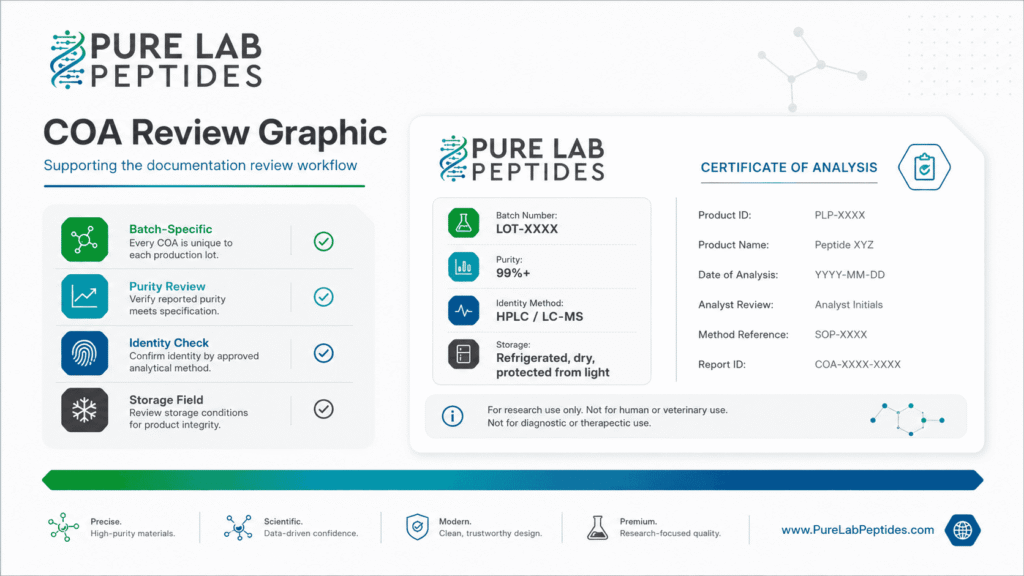
A peptide COA should be reviewed as a batch-specific record, not a general marketing statement. Researchers should look for the peptide name, product identifier, lot number, test date, stated purity percentage, analytical method, identity confirmation, molecular weight where relevant, sequence or formula where relevant, chromatographic or mass data where provided, product form, and storage documentation.
A purity percentage alone does not establish complete compound identity; researchers should evaluate purity, identity, method, lot number, and documentation together. HPLC literature describes chromatographic methods used for peptide separation and purification, including reversed-phase, size-exclusion, ion-exchange, and related approaches [10]. Additional HPLC methodology literature supports the role of chromatographic analysis in peptide evaluation [11].
Mass spectrometry literature also supports peptide sequencing, mass-based identity confirmation, and broader peptide characterization workflows [12] [13]. Synthetic peptide mass spectrometry literature describes MS as a useful method for evaluating synthetic peptide identity and purity in analytical settings [14].
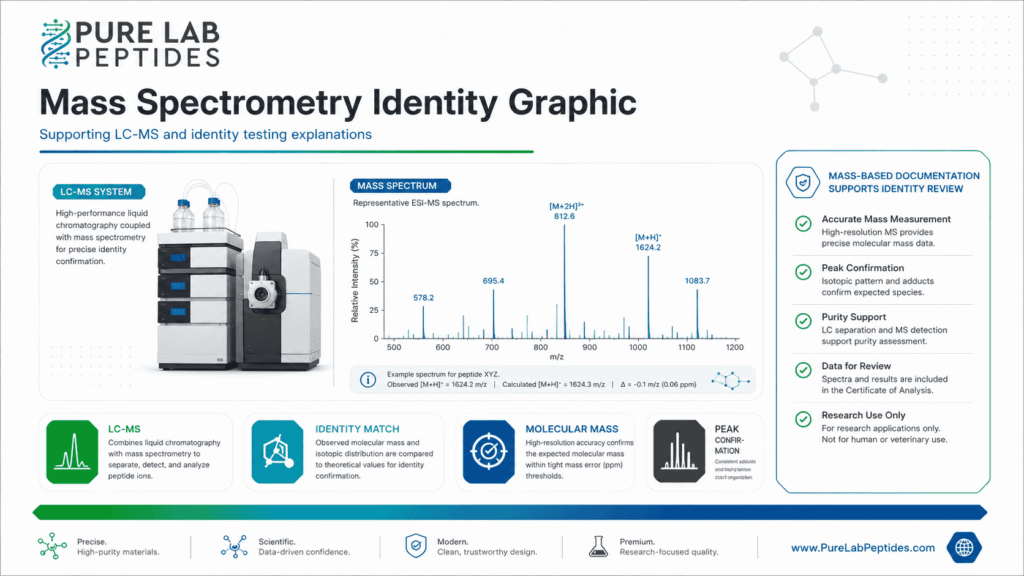
LC-HRMS and LC-MS literature also describes mass-based approaches for peptide quality control, impurity characterization, and related-substance review [15] [16]. Peptide impurity profiling literature shows why related materials, structurally similar impurities, and method selection can matter in quality review [17].
Independent evaluations of synthetic research peptides have reported that supplier-stated purity and independent analytical findings may not always align, reinforcing the importance of reviewing batch-specific documentation rather than relying on headline purity statements alone [18]. Additional analytical work on peptide impurities, purity estimation, and chiral purity analysis further illustrates why multiple documentation points may be relevant to peptide quality review [19] [20] [21].
HPLC, LC-MS, and Mass Spectrometry in Peptide Quality Review
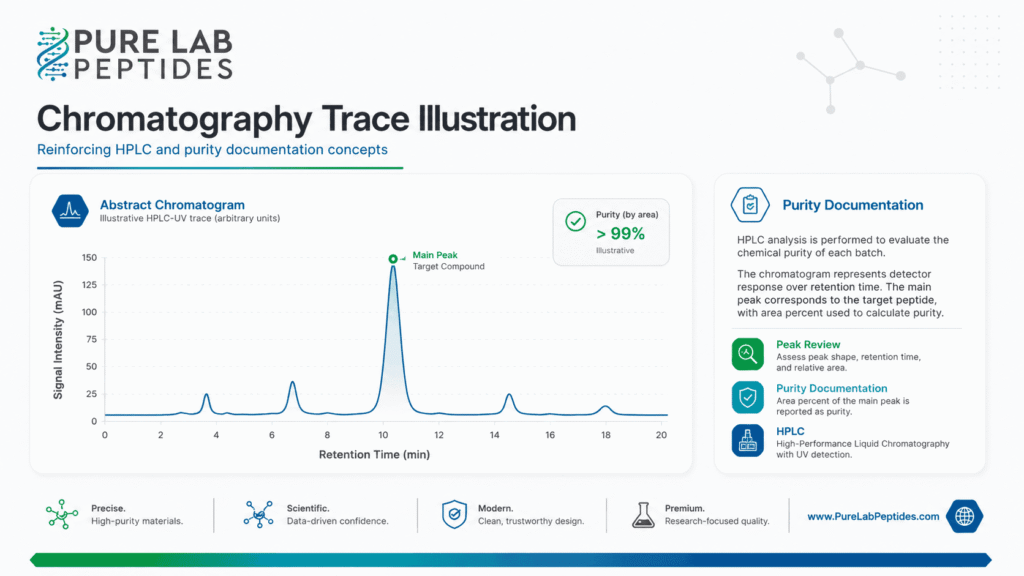
Analytical-method documentation helps researchers understand how a peptide batch was evaluated. HPLC documentation may support purity assessment and chromatographic separation review. LC-MS or mass spectrometry documentation may support identity confirmation, molecular-mass review, or impurity investigation. The specific interpretation depends on the peptide, method, and batch-specific documentation.
| Analytical Method | What It Can Support | How Researchers Should Review It |
| HPLC | Purity review, chromatographic separation, peak profile evaluation | Compare stated purity with COA and chromatographic documentation. |
| LC-MS | Identity review, mass confirmation, impurity characterization | Confirm that the listed peptide matches the analytical identity record. |
| Mass spectrometry | Mass-based identity support and structural confirmation support | Use mass data as part of the documentation package, not as a standalone supplier claim. |
| Reference-standard style documentation | Traceability, vialing, analytical testing, and stability documentation | Use reference-standard principles to assess documentation completeness. |
Lot Traceability and Batch-Specific Documentation
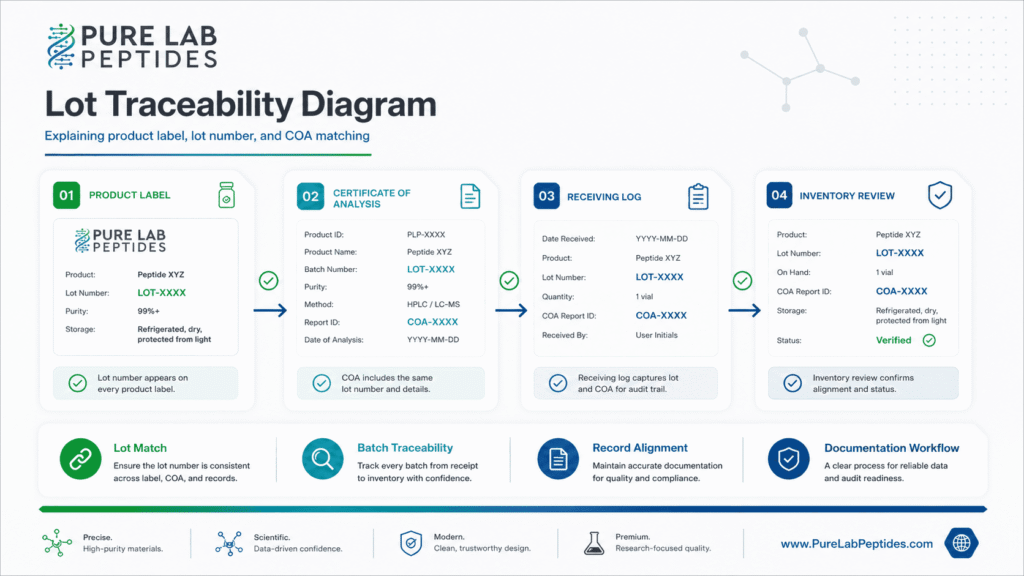
Lot traceability connects the product label, COA, receiving record, and inventory record. A laboratory buyer should be able to compare the product name, lot number, product form, and analytical documentation across those records. When the same lot number appears consistently across product documentation, the laboratory record is easier to verify and maintain.
Reference-standard literature discusses vialing, lyophilization, analytical testing, and stability studies as part of quality-supporting documentation for peptide materials [22]. NIST resources also describe how certificates of analysis and lot identifiers support traceability in reference-material contexts [23] [24].
For peptide procurement, lot-level records help qualified researchers confirm that the COA being reviewed corresponds to the material being received. This is especially important when comparing multiple peptides, multiple batches, or multi-component peptide materials.
Lyophilized Peptide Materials and Storage Documentation
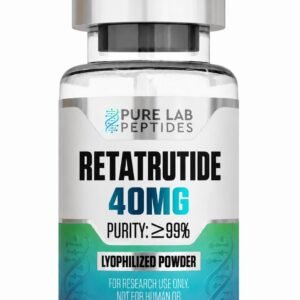
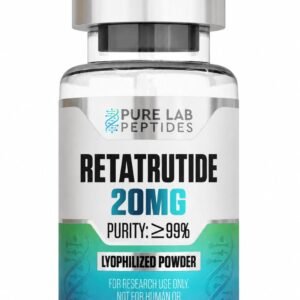
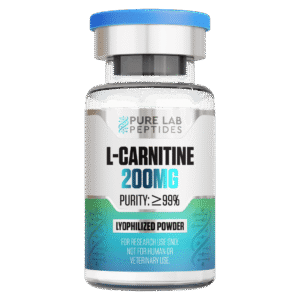
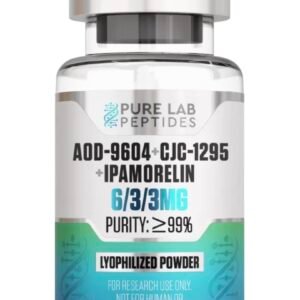
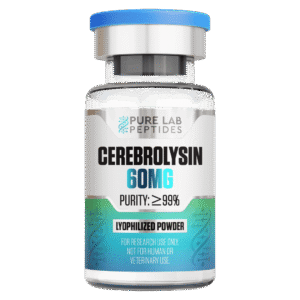
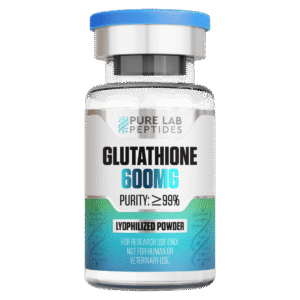
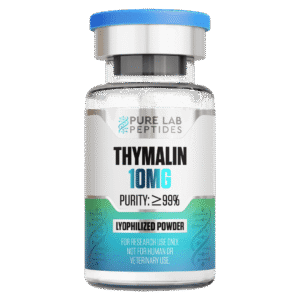
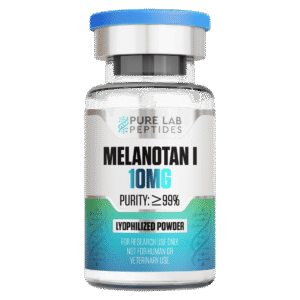
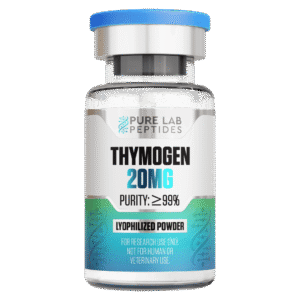
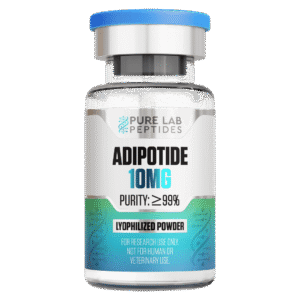
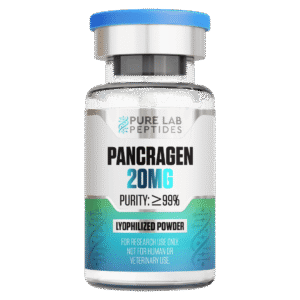
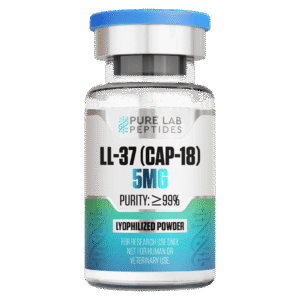
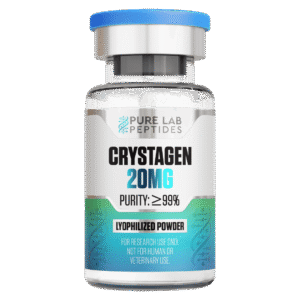
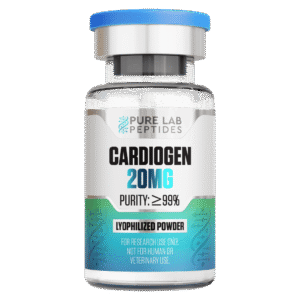
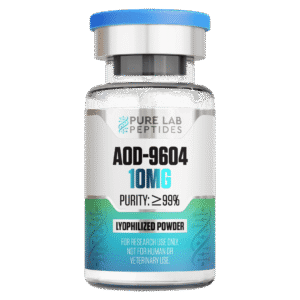
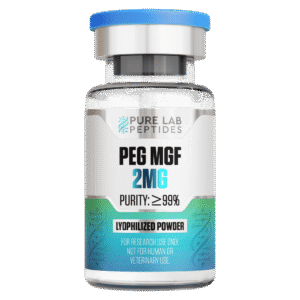
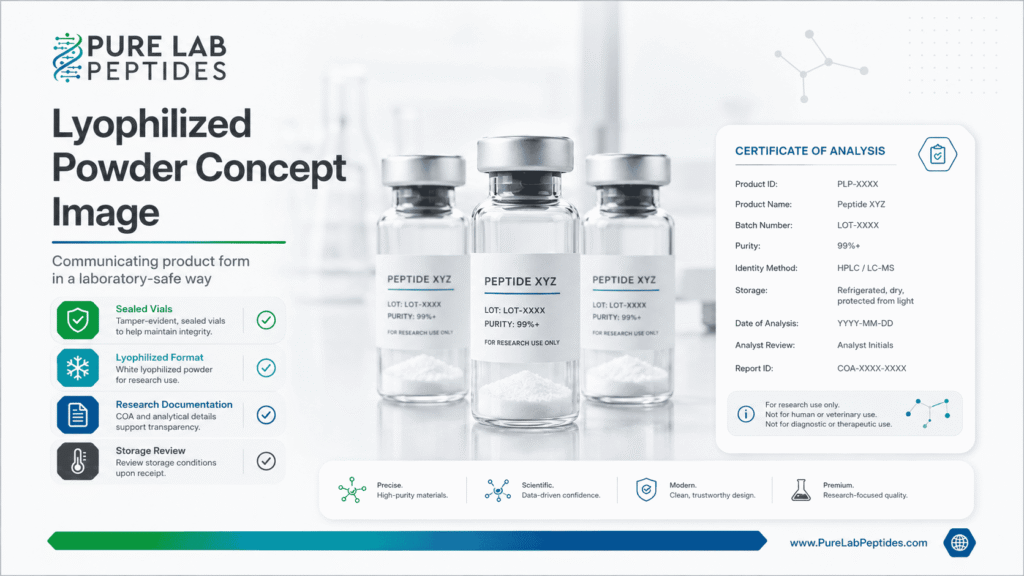
Pure Lab Peptides presents peptide materials in lyophilized powder form. For research procurement, product-form language should be paired with documentation review. Researchers should review the product page, batch-specific COA, label information, and storage guidance before adding any research-use-only material to laboratory inventory.
Drying and freeze-drying literature discusses solid-state formats as part of stability-oriented approaches for biopharmaceutical materials [25]. Freeze-drying is also widely discussed in formulation literature involving structurally complex active ingredients and carrier systems [26]. Broader protein and peptide stability literature describes multiple stresses that may affect peptide and protein stability, supporting the importance of storage documentation in laboratory workflows [27].
This section is limited to research documentation. It does not provide preparation, administration, dosing, or use instructions. Storage and handling information should be reviewed through supplier documentation and internal laboratory procedures.
How to Compare Research Peptide Suppliers
Researchers comparing peptide suppliers should focus on supplier transparency, documentation consistency, analytical review, and research-use-only positioning. A strong supplier record allows technical procurement teams to evaluate peptides without relying on unsupported claims.
| Supplier Signal | Strong Research Procurement Signal | Weak or Risky Signal |
| RUO labeling | Clear research-use-only language across product pages and documentation | Ambiguous language that mixes research materials with personal-use positioning |
| COA access | Batch-specific COA documentation available for review | Generic purity statement without batch-level records |
| Identity testing | HPLC, LC-MS, mass spectrometry, or related analytical method listed | No analytical method stated |
| Lot traceability | Lot number matches the label, COA, and product record | No lot-level documentation trail |
| Product language | Research procurement, compound identity, purity documentation, analytical review | Outcome-based claims, personal-use framing, or protocol-oriented language |
| Product form | Lyophilized powder form and storage documentation clearly stated | Product form or storage information is unclear |
Analytical Standards and Documentation Frameworks
Research-use-only peptide procurement is not the same as regulated drug-product submission. However, analytical documentation principles can still help researchers evaluate whether supplier records are complete, consistent, and technically credible. FDA analytical-method guidance discusses documentation supporting identity, strength, quality, purity, and related analytical attributes in regulated contexts [28].
ICH Q2(R2) provides a framework for analytical procedure validation, and ICH Q14 discusses science- and risk-based approaches for analytical procedure development [29] [30]. ISO/IEC 17025 is also relevant as a general standard for testing and calibration laboratories because it addresses competence and valid results [31].
For research peptide buyers, these sources do not replace the product page or batch-specific COA. They provide background for why identity, purity, method documentation, lot traceability, and recordkeeping matter when comparing peptide suppliers.
Research Literature Context
Published peptide literature spans nomenclature, synthesis, purification, analytical testing, mass spectrometry, impurity profiling, reference standards, and stability. This literature is useful for understanding how peptides are characterized in scientific and laboratory settings. It should not be interpreted as product-use guidance for research-use-only materials.
Peptide literature may be analytical, database-based, methodological, review-based, in vitro, preclinical, or clinical depending on the specific peptide and research question. Published clinical literature should not be interpreted as use guidance for RUO materials. Regulated medicines, clinical-study materials, and research-use-only materials are not interchangeable.
Because peptides are a broad category, researchers should not extrapolate from one peptide sequence, peptide analog, peptide fragment, or peptide blend to another. Documentation should be evaluated at the product and batch level. Research literature can help contextualize peptide chemistry and analytical review, but it does not replace COA review, identity testing, purity documentation, or lot traceability.
Evidence Landscape
| Research Area | What Literature Examines | Evidence Type | RUO Interpretation |
| Peptide identity | Molecular structure, sequence, formula, residue count, or classification | Database / nomenclature / analytical literature | Supports identification and documentation review, not product-use claims |
| Synthetic peptide context | Solid-phase peptide synthesis, Fmoc chemistry, and reaction monitoring | Methods / review / analytical chemistry | Useful for scientific context, not supplier claims by itself |
| Analytical testing | Purity, identity, impurity profiling, and batch verification | HPLC / LC-MS / mass spectrometry / COA | Supports documentation review |
| Storage and stability | Material form, lyophilized powder, drying technologies, and handling considerations | Laboratory documentation / review literature | Supports research workflow planning |
| Supplier documentation | COA, lot number, product labeling, storage information, and traceability | Procurement documentation / quality systems context | Supports laboratory recordkeeping |
Claim Boundary Table
| Research-Safe Statement | Why It Is Acceptable | Non-Compliant Version to Avoid |
| “Peptides are discussed in published research related to peptide chemistry, analytical characterization, and laboratory quality review.” | Describes literature context without making a product claim | “Peptides help with human outcomes.” |
| “Researchers should review COA and identity data before procurement.” | Focuses on documentation and quality review | “Users should buy peptides for results.” |
| “Pure Lab Peptides supplies peptides as research-use-only materials.” | Clarifies intended use | “Pure Lab Peptides supplies peptides for therapy.” |
| “The phrase buy peptides online is addressed as research procurement intent.” | Qualifies buying intent as laboratory procurement | “Buy peptides online for personal use.” |
| “Blend composition should be evaluated through documentation and identity review, not expected outcomes or use protocols.” | Supports multi-component documentation review without outcome claims | “Peptide blends should be selected for combined results.” |
How Pure Lab Peptides Presents Peptides
Pure Lab Peptides presents peptides as research-use-only laboratory materials. For technical buyers evaluating peptide procurement, the most relevant quality signals are RUO positioning, a stated ≥99% purity claim, lyophilized powder form, batch-specific COA availability, product page documentation, storage and handling information, lot-level traceability, and supplier transparency.
Because peptides are a broad research-material category, researchers should review the relevant product page or peptide collection page rather than assuming one peptide record applies to every peptide. Review the Pure Lab Peptides research peptide collection for RUO labeling, product details, purity information, and batch-specific documentation.
Technical teams comparing peptide suppliers should prioritize batch-specific records, clear labeling, and documentation consistency over broad category claims. A transparent supplier record should help researchers evaluate product identity, purity documentation, analytical testing, lot traceability, storage guidance, and research-use-only positioning before procurement.