
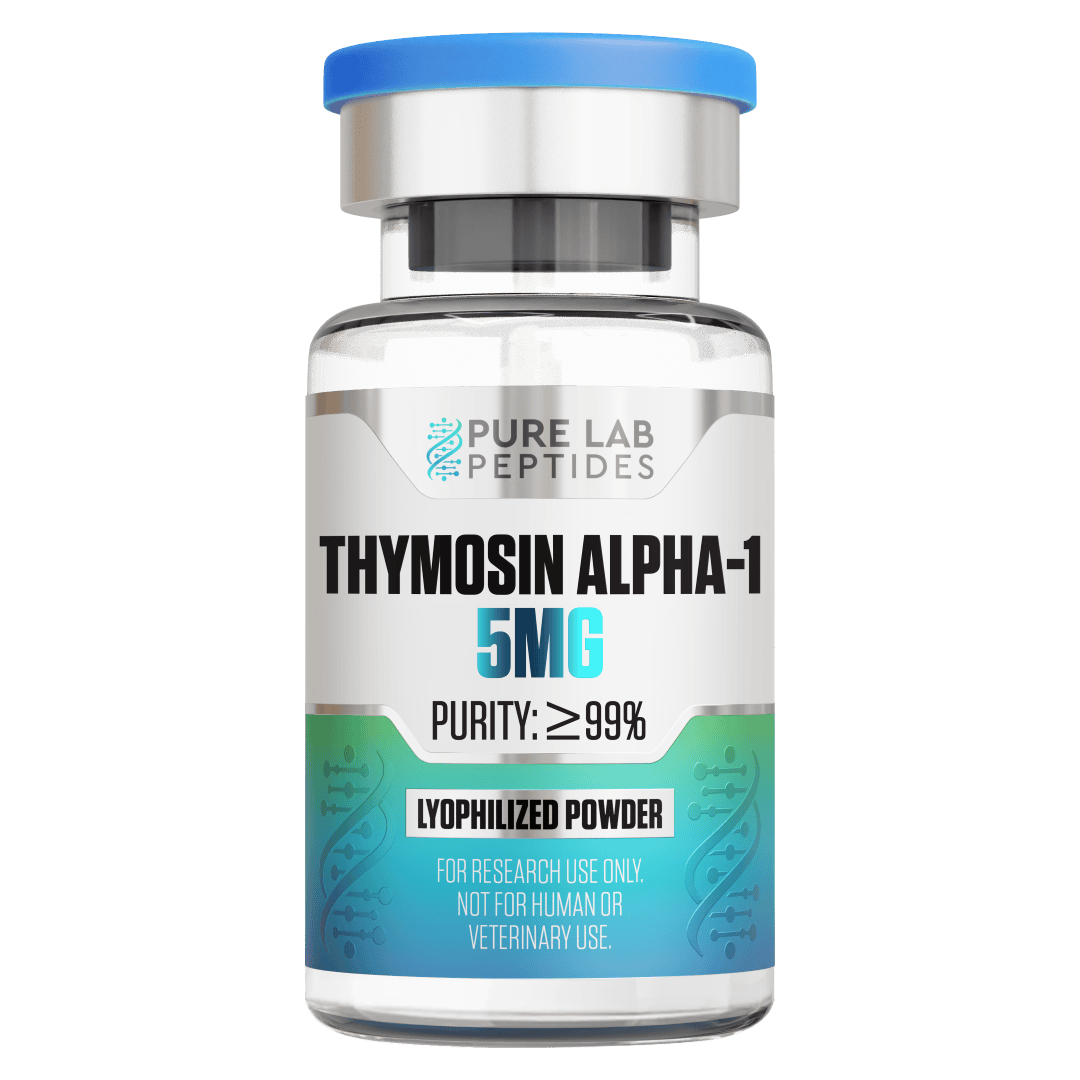
Thymosin Alpha 1 5mg: Exploring Peptide Research and Scientific Applications
Introduction to Thymosin Alpha 1 Research
Peptide research continues to be an expanding area within biotechnology, with scientists studying different compounds to better understand molecular structures and biological processes. Advances in laboratory techniques have allowed researchers to investigate peptides in greater detail and explore their characteristics in controlled environments.
Thymosin Alpha 1 is one peptide that has been examined within scientific research due to its unique molecular structure and relevance to studies involving cellular pathways. For those searching for Buy Thymosin Alpha 1 5mg information, understanding its research background, purpose, and limitations is essential.
Experimental peptides are generally studied in laboratory settings and should not be considered approved medicines or replacements for professional healthcare guidance.
What Is Thymosin Alpha 1?
Thymosin Alpha 1 is a synthetic peptide made up of amino acids. Peptides are naturally occurring biological molecules that play roles in many processes within living organisms. Scientists study synthetic peptides to better understand their properties and how they interact within research models.
Research involving Thymosin Alpha 1 focuses on analysing its molecular characteristics, structure, and behaviour under controlled laboratory conditions. These studies contribute to broader scientific knowledge in areas such as molecular biology, biotechnology, and peptide science.
Understanding any research compound requires careful scientific investigation, accurate analysis, and appropriate laboratory methods.
The Role of Peptide Research in Modern Biotechnology
Peptides have become valuable tools in scientific research because of their ability to provide insights into biological communication and molecular interactions. Researchers investigate peptide compounds to better understand how specific structures behave within complex systems.
Common areas of peptide research include:
- Molecular structure analysis
- Protein interaction studies
- Cellular pathway research
- Laboratory testing methods
- Scientific compound evaluation
These research activities help scientists develop a clearer understanding of biological mechanisms and support future scientific progress.
Scientific Interest in Thymosin Alpha 1
Researchers continue to examine Thymosin Alpha 1 because of its relevance within peptide science. Laboratory studies are designed to explore the properties of this peptide and understand how it behaves during scientific evaluation.
Research findings are collected through controlled experiments and analytical methods. These results contribute to scientific discussions but must be interpreted carefully.
A compound being studied in a laboratory does not automatically mean it has approved applications. Extensive research, evaluation, and regulatory processes are required before any scientific discovery can move towards practical use.
Understanding Research Peptide Quality
When exploring Buy Thymosin Alpha 1 5mg resources, quality information and transparency are important factors. Research materials should be evaluated based on reliable documentation and scientific suitability.
Researchers often consider:
- Compound identification
- Quality testing information
- Research documentation
- Storage requirements
- Supplier transparency
Access to accurate information helps laboratories maintain consistency and supports better research practices.
Research Use Only: What It Means
Many experimental peptides are classified as research-use materials. This classification indicates that they are intended for laboratory investigation and have not necessarily completed the approval process required for medical products.
The journey from scientific discovery to approved applications involves extensive testing, safety evaluation, and regulatory review. Laboratory research alone cannot confirm effectiveness or suitability for healthcare purposes.
Researchers should always follow appropriate laboratory standards, safety procedures, and applicable regulations when working with experimental compounds.
Selecting a Reliable Research Supplier
For researchers exploring peptide materials in the UK, selecting a transparent and reliable supplier is an important consideration. A professional supplier should provide clear information about research materials and their intended scientific purpose.
Before choosing a research source, researchers may review:
- Technical information availability
- Product documentation
- Quality assurance details
- Storage and handling guidance
- Customer support standards
Responsible sourcing supports scientific accuracy and helps maintain appropriate laboratory practices.
Storage and Handling Considerations
Proper storage plays an important role in maintaining the quality of research materials. Peptides may require specific conditions to preserve their characteristics and support reliable laboratory evaluation.
Researchers should follow recommended storage guidance and use appropriate handling procedures. Careful management of research materials can help maintain sample integrity during scientific studies.
The Future of Peptide Research
The biotechnology sector continues to develop rapidly, with new technologies improving how scientists analyse peptides and biological systems. Advanced research tools allow more detailed examination of molecular structures and interactions.
As peptide science progresses, continued research may provide valuable insights into biological processes and molecular behaviour. Responsible investigation, accurate reporting, and scientific standards will remain essential.
Conclusion
Thymosin Alpha 1 represents an interesting area within peptide research, offering scientists opportunities to explore molecular characteristics and biological interactions. Understanding its research context and limitations is important for anyone interested in experimental peptides.
Those searching for Buy Thymosin Alpha 1 5mg information should focus on reliable scientific resources, transparent documentation, and responsible research practices. Experimental compounds require careful consideration and should always be approached within appropriate laboratory frameworks.
As biotechnology continues evolving, peptide research will remain an important field contributing to greater understanding of molecular science.
Reviews
There are no reviews yet.