
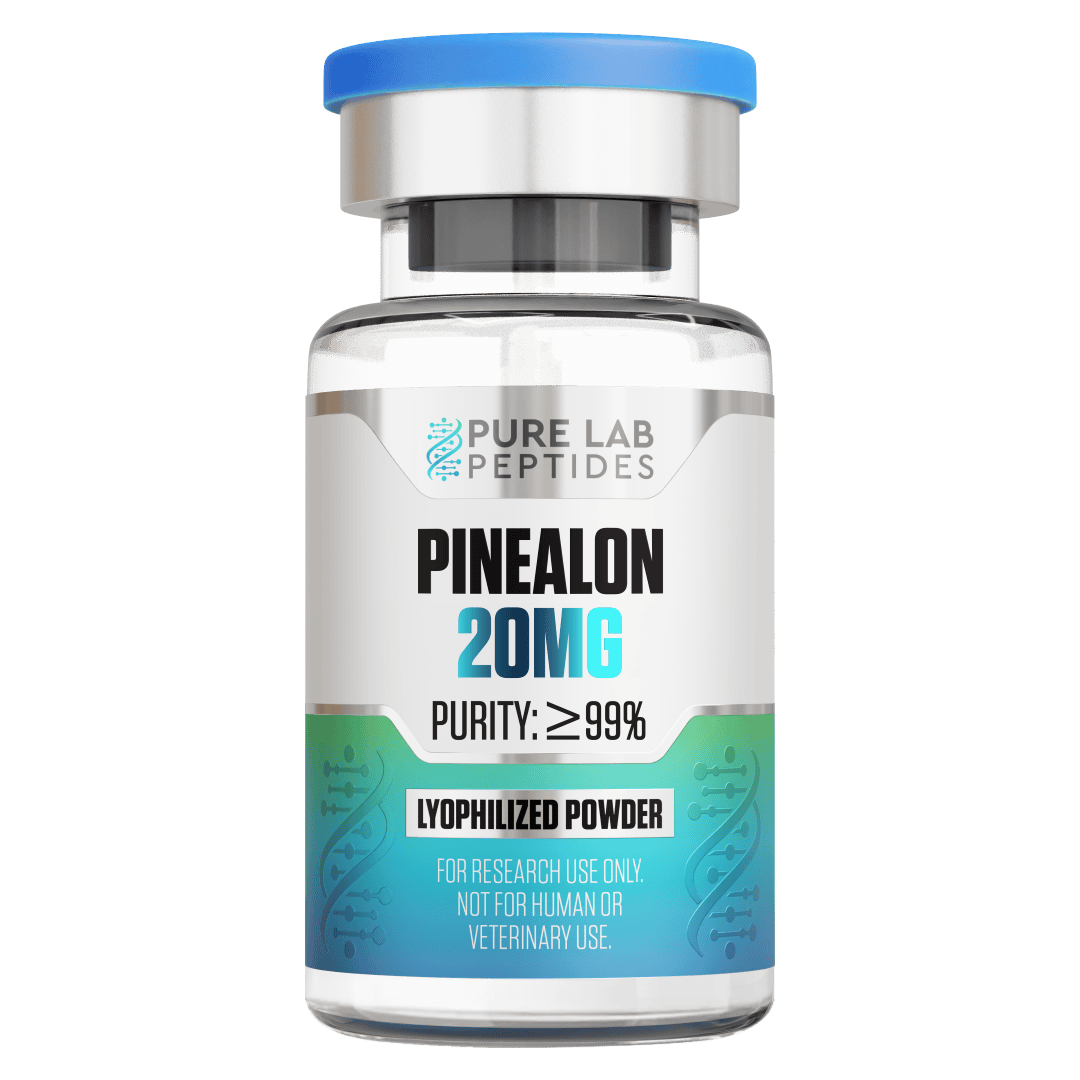
Buy Pinealon 20mg for Advanced Peptide Research Applications
The field of peptide and molecular science continues to expand as researchers and professionals explore specialized compounds for laboratory studies, neurological research, and advanced scientific investigations. Among the research peptides receiving attention, Pinealon has become a subject of interest due to its unique molecular characteristics and relevance within peptide science.
Researchers, laboratories, and scientific professionals require reliable sources that provide accurate product specifications, consistent quality standards, and transparent documentation. If you are planning to Buy Pinealon 20mg, selecting a trusted supplier with strong quality assurance practices and dependable product information is essential for obtaining reliable research materials.
What Is Pinealon?
Pinealon is a synthetic peptide compound studied in scientific research environments due to its molecular structure and characteristics. Researchers investigate peptide compounds like Pinealon to better understand their properties, interactions, and behavior under controlled laboratory conditions.
Peptide-based research plays an important role in modern molecular science because these compounds allow scientists to examine complex biological systems and explore different cellular processes.
As with other specialized research materials, proper storage, handling, and professional laboratory practices are essential when working with peptide compounds.
Understanding Peptide and Molecular Research
Peptides are short chains of amino acids that have become valuable tools in scientific research. Their unique structures allow researchers to study molecular interactions, biological pathways, and cellular mechanisms.
Research involving peptide compounds commonly focuses on:
- Molecular biology investigations
- Biochemical analysis
- Peptide structure evaluation
- Cellular research studies
- Scientific assessment of molecular interactions
The continued advancement of peptide science has increased demand for high-quality research materials supported by accurate documentation and reliable manufacturing standards.
Why Quality Matters When Choosing Research Peptides
When selecting specialized peptide compounds, quality and supplier reliability are essential considerations. Researchers depend on consistent materials to support accurate and controlled scientific investigations.
Detailed Product Specifications
A reputable supplier should provide complete product information, including peptide identity, quantity, formulation details, and available documentation. Transparent information helps researchers make informed purchasing decisions.
Consistent Manufacturing Standards
Professional manufacturing processes help maintain product quality and reliability. Suppliers that follow strict quality control procedures provide greater confidence in research materials.
Proper Packaging and Storage
Peptide compounds require suitable packaging and storage conditions to maintain stability. Trusted suppliers provide clear recommendations regarding handling and storage requirements.
How to Choose a Reliable Pinealon Supplier
Selecting the right supplier is an important step for laboratories and research professionals. Several factors should be evaluated before purchasing specialized peptide materials.
Evaluate Supplier Transparency
A dependable supplier should clearly communicate product specifications, quality standards, and research-related information. Transparency helps establish trust and demonstrates professionalism.
Review Quality Control Practices
Testing procedures, quality assurance measures, and controlled manufacturing processes indicate a supplier’s commitment to providing reliable research compounds.
Consider Customer Support
Professional customer service allows researchers to receive accurate information and assistance throughout the purchasing process.
Research Applications of Pinealon
Pinealon is primarily studied in scientific research environments where professionals investigate peptide characteristics, molecular properties, and related biological processes.
Research areas involving peptide compounds may include:
- Peptide chemistry studies
- Molecular interaction research
- Neuroscience-related investigations
- Laboratory analysis
- Scientific evaluation of peptide structures
Research involving specialized peptides should be conducted by qualified professionals using appropriate laboratory facilities and responsible scientific practices.
Benefits of Research-Grade Peptide Materials
Research-grade peptides provide scientists with carefully prepared materials designed for controlled laboratory studies. Their defined structures allow researchers to analyze specific characteristics and explore scientific questions more effectively.
Unlike consumer products, research peptides are intended for qualified professionals and laboratory applications. Proper technical knowledge, responsible handling, and suitable research conditions are essential when working with these materials.
Professionals who Buy Pinealon 20mg should prioritize suppliers that focus on authenticity, quality assurance, and transparent product documentation.
Storage and Handling Guidelines
Proper storage is essential for maintaining peptide quality and stability. Researchers should follow supplier recommendations regarding temperature requirements, packaging, and handling procedures.
Maintaining suitable storage conditions helps protect research materials and supports reliable laboratory applications.
Frequently Asked Questions About Pinealon
What is Pinealon?
Pinealon is a synthetic peptide compound studied in scientific research environments due to its molecular structure and characteristics.
What is Pinealon studied for?
This peptide is primarily investigated in laboratory research to explore peptide properties, molecular interactions, and related scientific processes.
Why is supplier quality important?
A reliable supplier provides accurate product information, consistent quality standards, and professional support for research-related requirements.
Where can researchers purchase Pinealon?
Professionals can Buy Pinealon 20mg from trusted suppliers that provide transparent product details, quality-focused services, and dependable customer assistance.
Choose a Trusted Source for Peptide Research Materials
As peptide and molecular research continue to advance, access to reliable and well-documented compounds becomes increasingly important. Selecting a supplier that prioritizes quality, transparency, and consistency helps researchers make informed decisions.
Whether conducting molecular studies, peptide analysis, or laboratory investigations, choosing a dependable provider supports responsible scientific practices.
For professionals looking to Buy Pinealon 20mg, focus on supplier reputation, product quality, and accurate information to ensure a reliable research experience.
Reviews
There are no reviews yet.