
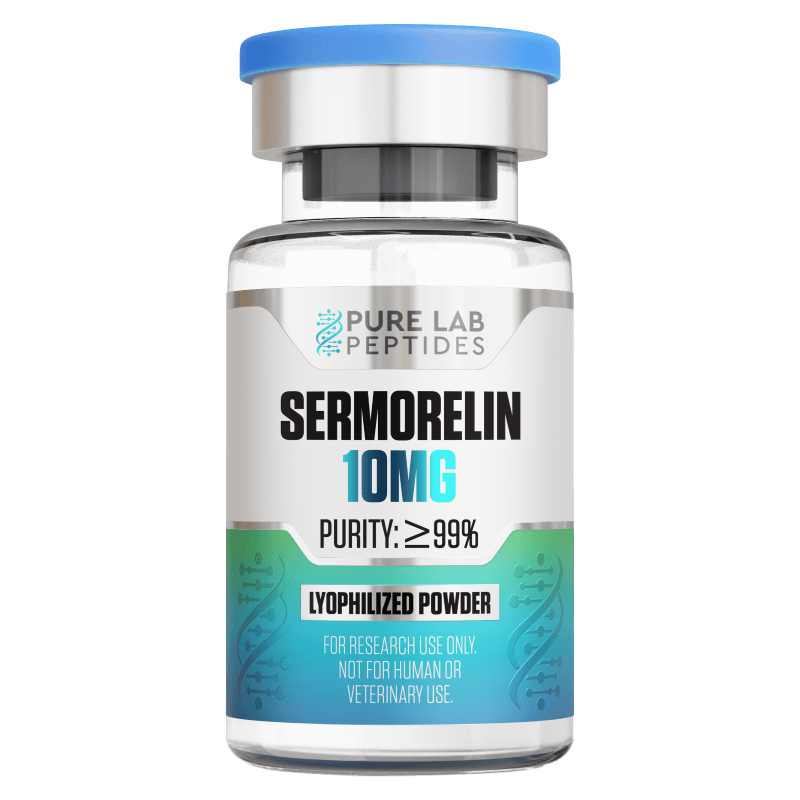
Buy Sermorelin Research Peptide: Scientific Overview, Growth Hormone Research, and Peptide Science in the UK
Sermorelin Research Peptide is one of the most extensively studied growth hormone-releasing hormone (GHRH) analogues in modern peptide science, endocrinology, and molecular biology. As a synthetic peptide corresponding to the first 29 amino acids of naturally occurring human GHRH, Sermorelin has become an important research tool for investigating growth hormone signalling, endocrine communication, and cellular regulation pathways. Researchers continue to study Sermorelin in laboratory environments to better understand how peptide hormones influence biological systems and coordinate complex physiological processes.
Across the United Kingdom, peptide research continues to expand within biotechnology, life sciences, and molecular medicine. Sermorelin remains a prominent compound in scientific investigations because of its well-characterised structure, receptor specificity, and role in growth hormone regulation. This comprehensive guide explores Sermorelin Research Peptide, its scientific background, research applications, and significance within contemporary peptide science.
What Is Sermorelin?
Sermoreln is a synthetic peptide analogue consisting of the first 29 amino acids of endogenous growth hormone-releasing hormone. Scientific research has shown that this portion of the GHRH molecule contains the essential biological activity required to interact with GHRH receptors located in the anterior pituitary gland.
Researchers commonly investigate Sermorelin in relation to:
- Growth hormone signalling pathways
- Endocrine communication systems
- Pituitary gland research
- Cellular signalling mechanisms
- Hormonal regulation studies
- Molecular biology investigations
- Experimental peptide science
These research areas continue to make Sermorelin an important subject of scientific exploration.
Understanding Growth Hormone-Releasing Hormone
Growth hormone-releasing hormone is naturally produced in the hypothalamus and functions as a primary regulator of growth hormone secretion. When released, GHRH travels to the anterior pituitary gland and stimulates specialised cells known as somatotrophs.
Researchers study GHRH because it influences:
- Endocrine signalling networks
- Hormonal communication pathways
- Growth hormone regulation
- Cellular adaptation mechanisms
- Molecular response systems
- Biological feedback loops
Sermorelin provides researchers with a stable and well-characterised model for studying these biological processes.
The Molecular Structure of Sermorelin
Sermoreln contains 29 amino acids and is often referred to as GHRH (1-29). Scientists selected this specific segment because it retains the receptor-binding and biological signalling properties of the full-length GHRH molecule.
Research involving Sermorelin commonly examines:
- Peptide-receptor interactions
- Structural biology mechanisms
- Molecular binding dynamics
- Signal transduction pathways
- Cellular communication systems
- Hormonal signalling networks
These investigations contribute to a broader understanding of peptide-mediated biological regulation.
How Sermorelin Works in Research Models
Sermoreln interacts with growth hormone-releasing hormone receptors located on pituitary cells. Upon receptor activation, intracellular signalling pathways become engaged, ultimately influencing growth hormone release mechanisms.
Researchers investigate:
- GHRH receptor activation
- Signal transduction pathways
- Pituitary communication systems
- Hormonal feedback mechanisms
- Cellular response networks
- Endocrine regulation processes
Understanding these pathways remains central to modern endocrinology research.
Research Applications of Sermorelin Research Peptide
Sermoreln is primarily utilised in laboratory and scientific research environments. Controlled experimental studies help researchers explore peptide signalling and endocrine communication.
Common research applications include:
- Endocrinology research
- Molecular biology studies
- Growth hormone investigations
- Cellular signalling analysis
- Hormonal communication research
- Experimental biotechnology
- Peptide-receptor interaction studies
These applications help scientists better understand how peptide hormones regulate biological activity.
Sermorelin and Growth Hormone Research
One of the most significant areas of scientific interest involving Sermorelin is its relationship with endogenous growth hormone signalling. Researchers use Sermorelin to investigate how GHRH-mediated communication affects downstream biological pathways.
Research areas frequently include:
- Growth hormone regulation
- Endocrine feedback systems
- Hormonal signalling pathways
- Growth factor communication
- Cellular adaptation mechanisms
- Molecular response networks
These studies continue to provide valuable insights into endocrine biology.
Cellular Communication and Molecular Signalling
Cells communicate through highly organised signalling systems that coordinate biological functions throughout the body. Sermorelin serves as an important model compound for studying hormone-mediated communication.
Researchers commonly investigate:
- Signal transduction mechanisms
- Receptor-ligand interactions
- Cellular response pathways
- Molecular communication systems
- Regulatory signalling networks
- Biological adaptation processes
These investigations remain fundamental to biotechnology and molecular science.
Why Sermorelin Continues to Attract Scientific Interest
Sermorelin remains one of the most widely studied GHRH analogues due to its specific receptor activity and established research profile. Scientists continue exploring its role within endocrine communication and growth hormone biology.
Current research trends include:
- Growth hormone pathway analysis
- Endocrine signalling investigations
- Peptide engineering research
- Molecular communication studies
- Receptor biology analysis
- Experimental biotechnology
These developments continue expanding scientific understanding of peptide-based signalling systems.
Scientific Importance of Sermorelin
Researchers value Sermoreln because it provides a highly effective model for studying growth hormone regulation and endocrine communication.
Scientific disciplines commonly associated with Sermorelin include:
- Endocrinology
- Molecular biology
- Cellular physiology
- Biochemistry
- Biotechnology
- Peptide science
Together, these fields contribute to a deeper understanding of hormone signalling and biological regulation.
Quality Standards in Peptide Research
Reliable scientific outcomes require high-quality research materials. Laboratories typically evaluate peptide products according to strict analytical standards.
Important quality measures include:
- Identity verification testing
- Purity analysis
- Batch consistency evaluation
- Quality-control procedures
- Independent laboratory validation
- Documentation and traceability
These standards help ensure research accuracy and reproducibility.
Storage and Handling Recommendations
Proper storage and handling help preserve peptide integrity and stability.
Recommended practices include:
- Store in a cool, dry environment
- Protect from excessive heat and moisture
- Avoid direct sunlight exposure
- Follow laboratory handling protocols
- Maintain clean working conditions
- Adhere to manufacturer guidance
Appropriate storage supports consistent research performance.
Why Researchers Choose Sermorelin
Sermoreln remains popular within research communities because of its well-defined mechanism of action and extensive scientific literature. Its ability to model growth hormone-releasing hormone activity makes it valuable for investigating endocrine pathways and peptide-mediated signalling.
Researchers frequently select Sermorelin for studies involving:
- Hormonal communication systems
- Pituitary gland biology
- Growth factor signalling
- Endocrine pathway regulation
- Cellular communication research
- Molecular adaptation mechanisms
Its long-standing research history continues to support scientific interest in the peptide.
Regulatory Information
Sermoreln Research Peptide is commonly supplied for laboratory and scientific research purposes only. Researchers should ensure that all studies comply with applicable UK regulations, institutional requirements, and laboratory safety standards. Information presented regarding Sermorelin should be interpreted within a scientific and educational context.
Conclusion
Sermoreln Research Peptide remains an important compound in peptide science, endocrinology, and molecular biology. Its role as a growth hormone-releasing hormone analogue provides researchers with a valuable tool for studying endocrine signalling, cellular communication, and growth hormone regulation.
As peptide research continues to evolve, Sermorelin remains highly relevant for investigating hormonal pathways, receptor biology, and molecular signalling networks. Ongoing laboratory studies continue to expand scientific understanding of peptide-mediated communication and the complex biological systems that regulate cellular activity and endocrine function.

Reviews
There are no reviews yet.