
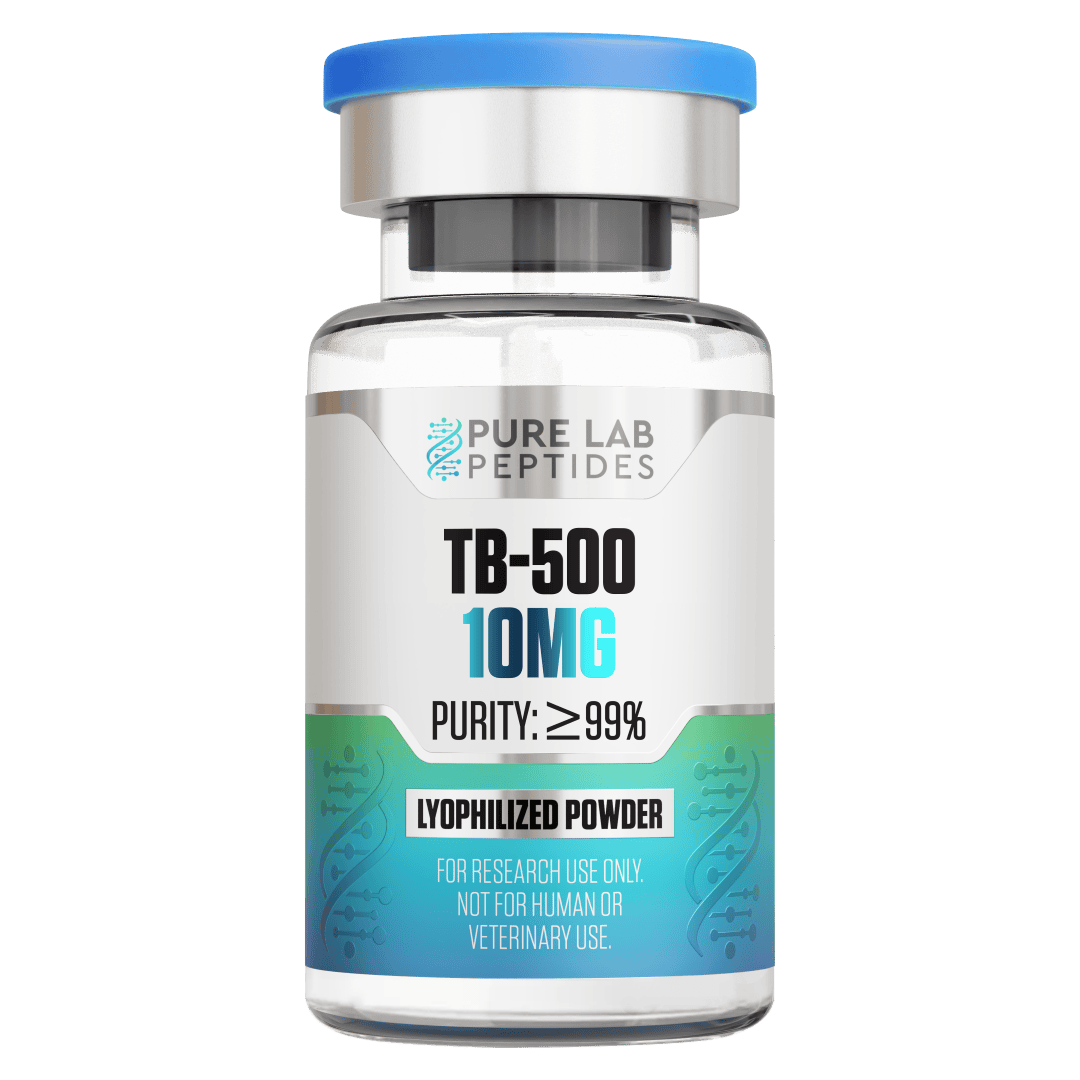
TB-500 Research Peptide: Comprehensive Scientific Overview, Peptide Research, and Regenerative Biology in the UK
TB-500 research peptide is one of the most widely discussed compounds in peptide science, regenerative biology, and cellular repair research. Derived from the naturally occurring protein Thymosin Beta-4 (Tβ4), TB-500 is studied for its role in cellular migration, tissue repair mechanisms, actin regulation, and molecular signalling pathways. Researchers continue to investigate TB-500 in laboratory settings to better understand how peptide-mediated communication influences biological repair and adaptation processes. TB-500 is generally referenced as a synthetic form or active fragment associated with Thymosin Beta-4, a protein naturally present in many tissues throughout the body. (CompoundReview)
Across the United Kingdom, peptide research has become an increasingly important field within biotechnology, molecular biology, and regenerative science. Scientists explore compounds such as TB-500 to investigate cellular communication systems, tissue remodelling mechanisms, and biological recovery pathways. This educational guide provides a comprehensive overview of TB-500 research peptide, its scientific background, research applications, and significance within modern peptide science.
What Is TB-500?
TB-500 is a synthetic peptide associated with Thymosin Beta-4, a naturally occurring protein found throughout the body. Scientific literature often discusses TB-500 in relation to the actin-binding region of Thymosin Beta-4, which is involved in cellular movement, structural organisation, and tissue repair mechanisms. Researchers utilise TB-500 as a model compound to study how cells migrate, communicate, and respond to biological stressors. (CompoundReview)
Researchers commonly investigate TB-500 in relation to:
- Cellular migration pathways
- Tissue repair mechanisms
- Molecular signalling systems
- Regenerative biology
- Cellular communication networks
- Cytoskeletal regulation
- Experimental biotechnology
These research areas continue to drive scientific interest in TB-500 and related peptide compounds.
Understanding Thymosin Beta-4 Research
Thymosin Beta-4 is a naturally occurring peptide-protein that plays a role in regulating actin, a structural protein essential for cell movement and organisation. Scientists study Thymosin Beta-4 because of its involvement in biological processes related to tissue maintenance and cellular adaptation.
Research frequently focuses on:
- Actin regulation systems
- Cell migration pathways
- Tissue remodelling mechanisms
- Cellular communication networks
- Biological adaptation processes
- Molecular repair signalling
TB-500 is commonly investigated as part of broader research involving Thymosin Beta-4 biology. (Peptide.co)
The Science Behind TB-500
One of the primary reasons researchers study TB-50 is its connection to actin regulation. Actin forms a critical component of the cellular cytoskeleton and helps maintain cell structure, movement, and communication.
Scientific investigations examine:
- Cytoskeletal organisation
- Cellular migration mechanisms
- Signal transduction pathways
- Tissue remodelling biology
- Cellular adaptation responses
- Molecular communication systems
Researchers continue exploring how these pathways contribute to tissue integrity and biological maintenance. (CompoundReview)
Research Applications of TB-500
TB-50 is primarily utilised in laboratory and scientific research environments. Controlled experimental models allow researchers to examine peptide-mediated biological activity and cellular signalling pathways.
Common research applications include:
- Molecular biology studies
- Regenerative science research
- Cellular communication investigations
- Tissue repair models
- Experimental biotechnology
- Cytoskeletal biology research
- Peptide signalling analysis
These applications help scientists better understand complex biological systems and cellular coordination. (Peptide Science Institute)
Cellular Migration and Tissue Research
Cell migration is a fundamental biological process that enables cells to move to areas where repair, growth, or adaptation is required. Researchers frequently investigate TB-500 because of its relationship to actin-mediated cellular movement.
Areas of scientific interest include:
- Cell motility pathways
- Tissue organisation systems
- Cellular positioning mechanisms
- Biological adaptation responses
- Regenerative signalling networks
- Structural protein interactions
Understanding these processes contributes to advances in regenerative biology and molecular science.
Cellular Communication and Molecular Signalling
Cells communicate through highly coordinated signalling pathways that regulate biological activity. Peptides such as TB-500 provide researchers with valuable tools for studying these communication networks.
Research commonly examines:
- Signal transduction pathways
- Cellular response mechanisms
- Molecular communication systems
- Regulatory signalling networks
- Tissue-specific biological responses
- Cellular adaptation processes
These investigations remain central to modern biotechnology and life-science research.
Why TB-500 Continues to Attract Scientific Interest
TB-50 remains a subject of interest because it provides insight into the relationship between cellular structure and biological repair mechanisms. Researchers continue exploring how actin regulation influences tissue maintenance and molecular signalling.
Current research trends include:
- Precision peptide engineering
- Regenerative biology investigations
- Molecular pathway analysis
- Cellular communication research
- Tissue remodelling studies
- Experimental biotechnology
These developments continue expanding scientific understanding of peptide-mediated biological activity. (Peptide.co)
Scientific Importance of TB-500
Researchers value TB-50 because it offers a specialised model for studying cellular migration and tissue-related signalling pathways. It remains relevant across multiple scientific disciplines.
Fields commonly associated with TB-500 research include:
- Molecular biology
- Cellular physiology
- Biotechnology
- Regenerative science
- Biochemistry
- Peptide research
Together, these disciplines contribute to a broader understanding of biological communication systems and tissue dynamics.
Quality Standards in Peptide Research
Reliable scientific outcomes require high-quality research materials. Laboratories evaluate peptide products according to established analytical standards.
Important quality measures include:
- Identity verification testing
- Analytical purity assessment
- Batch consistency analysis
- Quality-control procedures
- Independent laboratory validation
- Documentation and traceability
These standards support reproducibility and scientific accuracy within research environments.
Storage and Handling Recommendations
Proper storage and handling help preserve peptide stability and maintain research integrity.
Recommended practices include:
- Store in a cool, dry environment
- Protect from excessive heat and moisture
- Avoid prolonged sunlight exposure
- Follow laboratory handling procedures
- Maintain clean working conditions
- Follow manufacturer guidance
Appropriate storage contributes to consistent research performance.
Regulatory Information
TB-50 is commonly supplied as a research peptide intended for laboratory investigation. Published sources note that TB-500 is not approved for general human use and remains primarily a research compound. Research involving TB-500 should comply with applicable UK regulations, institutional requirements, and laboratory safety standards. (PeptideJournal)
Conclusion
TB-50 research peptide remains an important subject within regenerative biology, molecular science, and peptide research. Its relationship to Thymosin Beta-4, actin regulation, cellular migration, and tissue-related signalling pathways has made it a valuable research tool for studying biological adaptation and cellular communication. (CompoundReview)
As peptide science continues to advance, TB-500 remains relevant for investigating molecular signalling networks, tissue dynamics, and cellular coordination systems. Ongoing laboratory studies continue to expand scientific understanding of how peptide-mediated mechanisms contribute to biological organisation, communication, and adaptation. (Peptide.co)



Reviews
There are no reviews yet.