
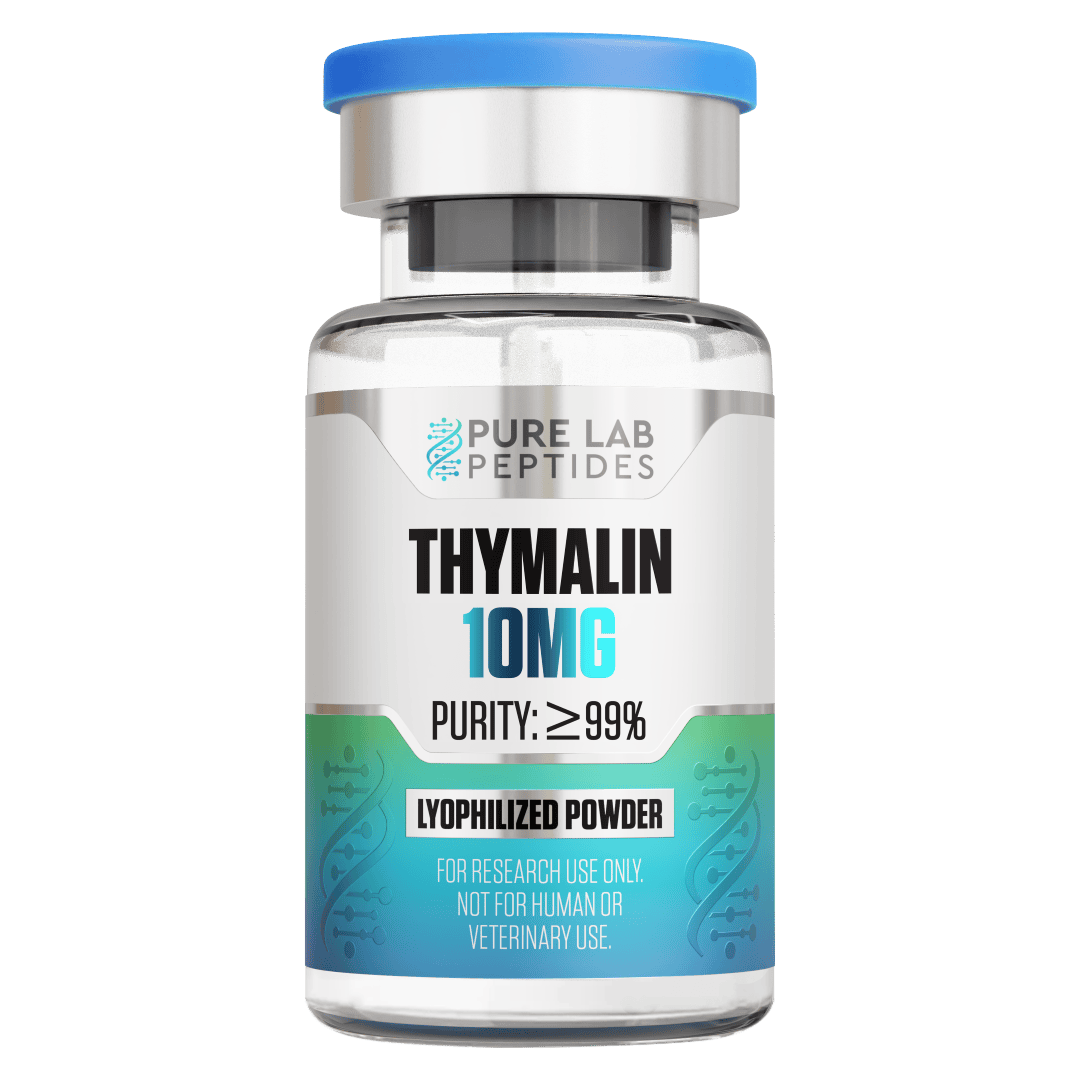
Thymalin 10mg: Comprehensive Research Overview, Peptide Science, and Laboratory Information in the UK
Thymalin 10mg is a peptide bioregulator that has attracted scientific interest in the fields of cellular biology, immunology, healthy ageing research, and peptide science. Originally developed for research into thymus-derived peptide compounds, Thymalin is studied for its role in cellular communication, tissue-specific regulation, and biological signalling pathways. As interest in peptide bioregulators continues to expand throughout the United Kingdom and internationally, researchers are increasingly exploring how short peptide sequences may influence cellular processes and regulatory mechanisms.
In laboratory environments, Thymalin is investigated as part of broader research into peptide-mediated biological activity. Scientists continue to examine how peptide bioregulators interact with cellular systems, gene expression pathways, and age-related biological processes. This educational guide provides an overview of Thymalin 10mg, its research applications, scientific significance, and relevance within modern peptide research.
What Is Thymalin?
Thymalin is classified as a peptide bioregulator derived from research involving thymic tissue peptides. Peptide bioregulators are short chains of amino acids studied for their potential ability to influence specific cellular functions and biological communication pathways.
Unlike larger proteins, peptide bioregulators are relatively small molecules that may participate in signalling processes within cells and tissues. Researchers investigate these compounds to better understand how cellular systems communicate and maintain biological balance.
Scientific interest in Thymalin centres on:
- Peptide signalling pathways
- Cellular communication systems
- Biological regulation mechanisms
- Healthy ageing research
- Gene expression studies
- Immunology-related investigations
- Molecular biology research
These areas continue to drive ongoing exploration of peptide-based regulatory compounds.
The Science Behind Peptide Bioregulators
Peptides play essential roles throughout the human body. They act as signalling molecules that help coordinate biological processes between cells, tissues, and organs.
Researchers studying peptide bioregulators focus on:
- Cellular adaptation mechanisms
- Molecular signalling pathways
- Protein synthesis regulation
- Tissue-specific biological activity
- Cellular communication networks
- Regulatory biological systems
Because peptide compounds are naturally involved in numerous physiological processes, they remain a major focus of scientific investigation.
Research Applications of Thymalin 10mg
Thymalin 10mg is primarily studied in controlled laboratory and scientific settings. Researchers continue exploring its potential involvement in various biological systems and cellular pathways.
Common areas of investigation include:
- Cellular biology research
- Peptide signalling studies
- Molecular communication pathways
- Healthy ageing research
- Gene regulation investigations
- Tissue-specific biological models
- Experimental immunology studies
These research applications help scientists better understand the complexity of biological regulation systems.
Thymalin and Cellular Communication Research
One of the most important areas of peptide science involves understanding how cells communicate. Cellular communication is essential for maintaining normal biological processes, responding to environmental changes, and coordinating tissue function.
Researchers investigate how peptide bioregulators may influence:
- Intercellular signalling
- Molecular communication pathways
- Cellular adaptation responses
- Protein regulation mechanisms
- Tissue-specific activity
- Biological maintenance systems
Understanding these processes may provide valuable insights into cellular function and regulation.
Healthy Ageing and Longevity Research
The study of healthy ageing has become a major area of scientific research in recent years. As researchers seek to understand the biological processes associated with ageing, peptide bioregulators have emerged as a topic of interest.
Scientific investigations often focus on:
- Cellular maintenance systems
- Biological resilience
- Tissue regeneration pathways
- Age-related cellular changes
- Molecular adaptation processes
- Cellular health markers
Thymalin is frequently included in discussions surrounding peptide research and healthy ageing studies.
Why Peptide Research Continues to Grow
Peptide science is one of the fastest-growing areas within biotechnology and molecular biology. Advances in analytical techniques and cellular research have enabled scientists to better understand the roles peptides play in biological systems.
Researchers continue exploring:
- Cellular signalling networks
- Biological communication systems
- Molecular regulation pathways
- Tissue-specific peptide activity
- Gene expression research
- Protein interaction studies
As scientific knowledge expands, peptide compounds remain important subjects of investigation.
Thymalin in Modern Scientific Research
Modern laboratory research often focuses on how peptide bioregulators interact with cellular structures and regulatory systems.
Areas of scientific interest include:
- Molecular biology
- Cellular physiology
- Biochemistry
- Peptide science
- Experimental biology
- Systems biology
These disciplines collectively contribute to a deeper understanding of peptide-mediated biological activity.
Quality Standards in Peptide Research
High-quality research materials are essential for obtaining reliable and reproducible scientific results. Laboratories often evaluate peptide products according to strict quality criteria.
Common quality considerations include:
- Identity verification
- Purity testing
- Batch consistency
- Analytical validation
- Manufacturing quality controls
- Independent laboratory testing
These standards help support accuracy and consistency within scientific investigations.
Storage and Handling Recommendations
Proper storage and handling are important for maintaining peptide stability and integrity.
Recommended practices may include:
- Storing materials in a cool, dry environment
- Protecting from excessive heat and moisture
- Following laboratory handling protocols
- Maintaining sterile conditions where appropriate
- Keeping products in original packaging
- Adhering to manufacturer recommendations
Appropriate storage supports long-term product quality and reliability.
Why Researchers Continue Studying Thymalin
Thymalin remains a topic of scientific interest because peptide bioregulators may provide valuable insights into cellular communication and biological regulation.
Researchers continue investigating its potential relevance to:
- Cellular signalling
- Molecular communication
- Healthy ageing research
- Tissue-specific biology
- Gene regulation pathways
- Peptide science innovations
Ongoing studies continue to expand understanding of how peptides influence biological systems.
Regulatory Information
Thymalin 10mg should be used in accordance with applicable UK regulations and product-specific guidance. Information presented on this page is intended for educational and informational purposes only.
This content is not intended to diagnose, treat, cure, or prevent any disease and should not be interpreted as medical advice. Individuals should consult qualified healthcare professionals regarding personal health-related decisions.
Conclusion
Thymalin 10mg is a peptide bioregulator that continues to attract attention within the fields of molecular biology, peptide science, cellular research, and healthy ageing investigations. Its role in peptide signalling and biological regulation makes it a valuable subject of ongoing scientific study.
As research into cellular communication and peptide-mediated biological activity continues to evolve, Thymalin remains an important area of interest for researchers seeking to better understand the complex mechanisms that support cellular function and biological balance. Through continued scientific exploration, peptide bioregulators such as Thymalin may contribute to a broader understanding of cellular health, molecular regulation, and the science of ageing.
Reviews
There are no reviews yet.