
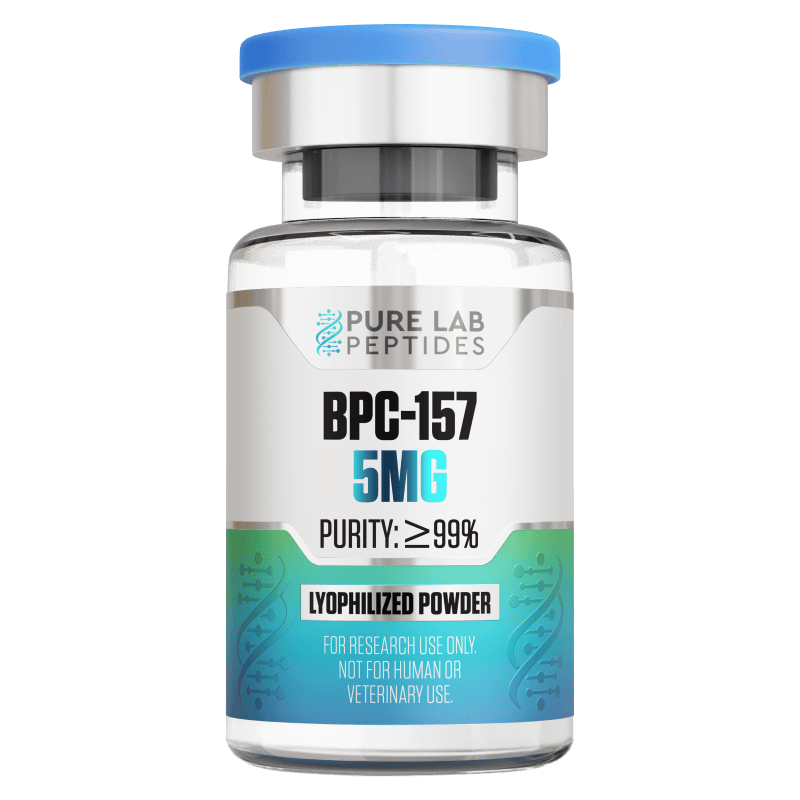
Buy BPC-157 Research Peptide UK | Advanced Peptide Research and Cellular Biology
BPC-157 Research Peptide, also known as Body Protection Compound-157, is one of the most extensively studied synthetic peptides in modern peptide science, regenerative biology, and molecular research. This 15-amino-acid peptide has attracted considerable scientific interest due to its potential involvement in cellular communication, tissue-response pathways, vascular biology, and molecular signalling mechanisms. Researchers continue to investigate BPC-157 in laboratory settings to better understand its role in biological adaptation and cellular regulation. (Pepta Labs)
Across the United Kingdom, peptide research continues to expand within biotechnology, molecular biology, and life sciences. BPC-157 remains a popular research compound because of its extensive preclinical research history and its relevance to studies involving tissue biology, cellular repair mechanisms, and growth factor signalling. This comprehensive guide explores BPC-157 Research Peptide, its scientific background, research applications, and significance within contemporary peptide science.
What Is BPC-157 Research Peptide?
BPC-157 is a synthetic pentadecapeptide consisting of 15 amino acids. It was originally developed from research involving protective proteins associated with gastric tissue and has since become one of the most widely investigated peptides in experimental biology. Scientific literature describes BPC-157 as a stable peptide with a substantial body of preclinical research examining its effects on various biological systems. (Peptpedia)
Researchers commonly investigate BPC-157 in relation to:
- Cellular signalling pathways
- Tissue-response mechanisms
- Vascular biology research
- Molecular communication systems
- Growth factor interactions
- Experimental biotechnology
- Regenerative biology studies
These research areas continue to make BPC-157 an important subject within peptide science.
Understanding the Science Behind BPC-157
Researchers study BPC-157 because it appears to interact with multiple biological pathways involved in cellular communication and adaptation. Published preclinical studies suggest that the peptide may influence growth factor signalling, nitric oxide pathways, and cellular migration mechanisms. (Pepta Labs)
Scientific investigations frequently examine:
- Growth factor receptor activity
- Nitric oxide signalling systems
- Cellular migration pathways
- Molecular communication networks
- Vascular response mechanisms
- Cellular adaptation processes
Understanding these pathways remains a major focus of modern peptide research.
Molecular Structure and Characteristics
BPC-157 is composed of a specific sequence of 15 amino acids and has a molecular weight of approximately 1,419 Daltons. Researchers are particularly interested in its reported stability under various experimental conditions, which has contributed to its popularity in laboratory studies. (Pepta Labs)
Scientific investigations often focus on:
- Peptide stability characteristics
- Structure-function relationships
- Molecular interaction dynamics
- Receptor-binding mechanisms
- Cellular signalling activity
- Biological communication pathways
These studies help researchers better understand peptide behaviour at the molecular level.
Research Applications of BPC-157
BPC-157 is supplied primarily for laboratory and scientific research purposes. Controlled experimental models allow researchers to investigate peptide-mediated biological activity and cellular communication systems.
Common research applications include:
- Molecular biology investigations
- Cellular signalling studies
- Tissue biology research
- Growth factor pathway analysis
- Experimental biotechnology
- Vascular biology investigations
- Peptide-receptor interaction studies
These applications contribute to a broader understanding of biological regulation and cellular adaptation.
Growth Factor and Cellular Signalling Research
One of the most frequently discussed areas of BPC-157 research involves its relationship with growth factor signalling pathways. Published studies suggest interactions with vascular endothelial growth factor (VEGF), fibroblast growth factor (FGF), and epidermal growth factor (EGF) signalling systems in experimental models. (Pepta Labs)
Researchers commonly investigate:
- Growth factor receptor activation
- Cellular communication networks
- Signal transduction pathways
- Molecular response mechanisms
- Biological adaptation systems
- Tissue-related signalling pathways
These investigations continue to expand scientific understanding of peptide-mediated communication.
Vascular Biology and Cellular Communication
Scientific literature frequently explores BPC-157 in relation to vascular biology and angiogenesis research. Researchers investigate how signalling pathways influence blood vessel formation, cellular migration, and tissue organisation in experimental settings. (Peptpedia)
Research areas often include:
- Angiogenesis mechanisms
- Vascular signalling pathways
- Endothelial cell communication
- Molecular adaptation systems
- Cellular migration research
- Tissue organisation studies
These studies remain important within regenerative biology and biotechnology research.
Why BPC-157 Continues to Attract Scientific Interest
BPC-157 has accumulated one of the largest preclinical research databases among experimental peptides. Researchers continue exploring its molecular characteristics and biological interactions to better understand its potential role in cellular regulation and tissue-related signalling. (Pepta Labs)
Current research trends include:
- Precision peptide engineering
- Cellular adaptation studies
- Growth factor pathway analysis
- Molecular signalling investigations
- Regenerative biology research
- Systems biology approaches
These developments continue expanding scientific knowledge within peptide science.
Scientific Importance of BPC-157
Researchers value BPC-157 because it serves as a versatile model for investigating multiple biological signalling systems and cellular communication pathways.
Scientific disciplines commonly associated with BPC-157 include:
- Molecular biology
- Cellular physiology
- Biotechnology
- Biochemistry
- Regenerative science
- Peptide research
Together, these fields contribute to a deeper understanding of biological communication and molecular regulation.
Quality Standards in Peptide Research
Reliable scientific outcomes require high-quality research materials. Laboratories evaluate peptide compounds according to strict analytical standards.
Important quality measures include:
- Identity verification testing
- Purity assessment
- Batch consistency analysis
- Quality-control procedures
- Independent laboratory validation
- Documentation and traceability
These standards help ensure reproducibility and scientific accuracy.
Storage and Handling Recommendations
Proper storage and handling help preserve peptide stability and research integrity.
Recommended practices include:
- Store in a cool, dry environment
- Protect from excessive heat and moisture
- Avoid direct sunlight exposure
- Follow laboratory handling protocols
- Maintain clean research conditions
- Adhere to manufacturer guidance
Appropriate storage contributes to consistent research performance.
Regulatory Information
BPC-157 Research Peptide is intended exclusively for laboratory and scientific research purposes. It is not approved as a medicinal product for general therapeutic use in the UK or the United States, and much of the available evidence remains preclinical. Researchers should ensure that all investigations comply with applicable regulations, institutional requirements, and laboratory safety standards. (Peptide Advisors)
Conclusion
BPC-157 Research Peptide remains one of the most widely studied compounds in peptide science, molecular biology, and regenerative research. Its association with cellular signalling pathways, growth factor interactions, and molecular communication systems has made it a valuable subject of scientific investigation. Published research continues to explore its biological characteristics and potential relevance to tissue-response mechanisms and cellular adaptation processes. (Pepta Labs)
As peptide science continues to evolve, BPC-157 remains highly relevant for studying molecular signalling, vascular biology, and cellular communication networks. Ongoing laboratory investigations continue to advance scientific understanding of peptide-mediated regulation and the complex biological systems that govern cellular function and adaptation. (Peptide Protocol Wiki)

Reviews
There are no reviews yet.