
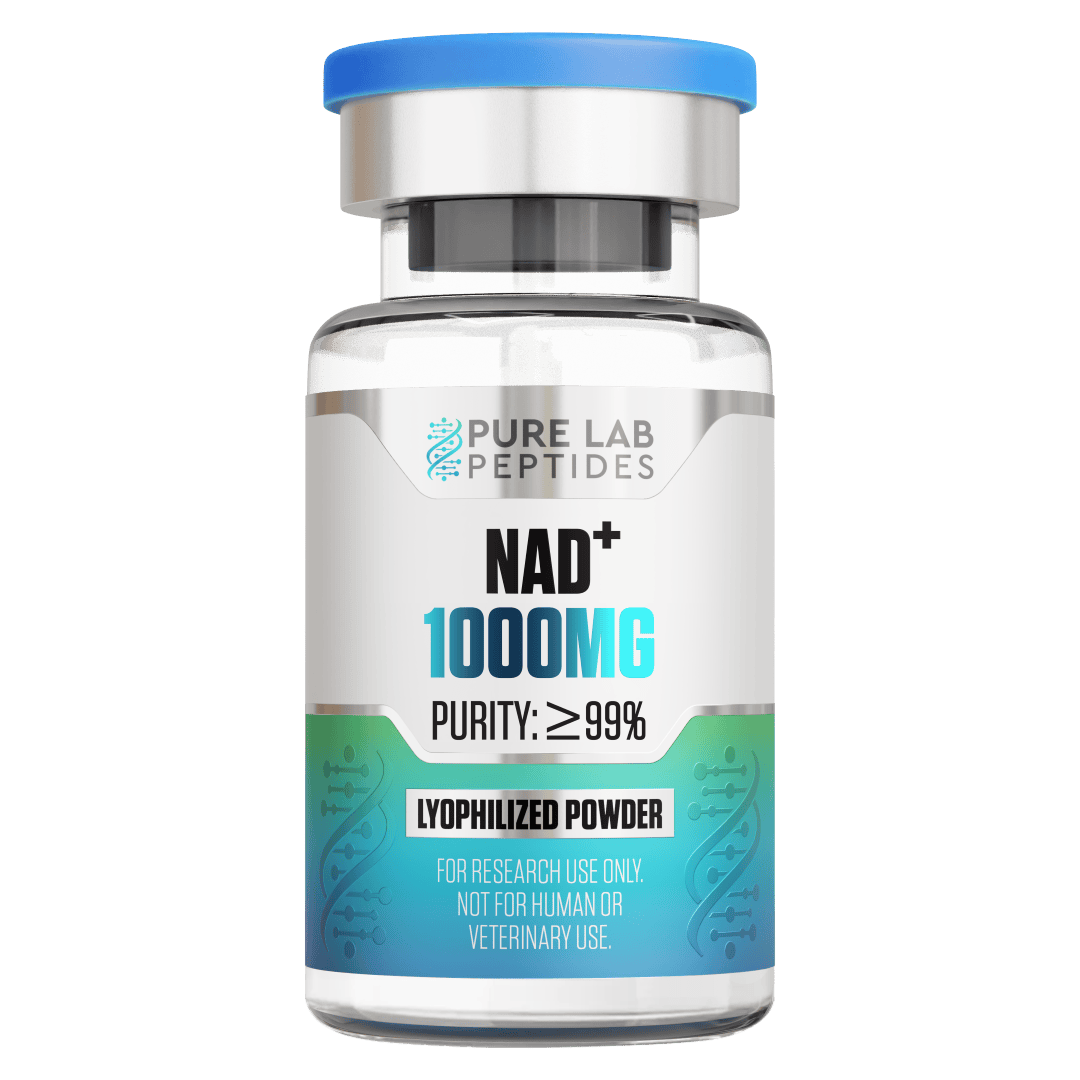
NAD+ 1000mg: Understanding Cellular Research and Scientific Applications
Introduction to NAD+ Research
The field of cellular biology and biotechnology continues to expand as scientists explore compounds involved in important biological processes. Researchers study various molecules to better understand cellular functions, energy pathways, and molecular communication.
NAD+ is a naturally occurring molecule that has become an important topic within scientific research. Scientists investigate NAD+ because of its involvement in cellular processes and its role in understanding how biological systems function.
For those searching for Buy NAD+ 1000mg information, it is important to understand the scientific background, research context, and limitations associated with related compounds. Research materials should be approached responsibly and evaluated through reliable scientific information.
What Is NAD+?
NAD+ stands for nicotinamide adenine dinucleotide, a molecule found naturally within living cells. It is widely studied in the field of biochemistry because of its involvement in cellular processes and molecular reactions.
Researchers examine NAD+ to better understand its structure, behaviour, and role within biological systems. Laboratory studies help scientists investigate how molecules interact and how cellular mechanisms operate at a molecular level.
Scientific research involving NAD+ requires controlled environments, accurate testing methods, and careful analysis of results.
The Importance of Cellular Research
Cellular research plays a significant role in modern biotechnology. Scientists study cellular processes to gain a deeper understanding of how biological systems function and how different molecules contribute to these mechanisms.
Research in this area may involve:
- Molecular biology studies
- Cellular pathway analysis
- Biochemical investigations
- Laboratory testing methods
- Scientific evaluation techniques
These studies provide valuable insights into biological processes and help researchers expand knowledge within fields such as biotechnology and molecular science.
Scientific Interest in NAD+
Researchers continue to examine NAD+ due to its relevance in cellular and molecular studies. Laboratory investigations focus on understanding its chemical properties, interactions, and behaviour within scientific models.
The study of NAD+ contributes to broader research into cellular mechanisms and molecular pathways. Scientists use advanced analytical techniques to collect information and develop a clearer understanding of biological systems.
When exploring Buy NAD+ 1000mg resources, it is important to focus on accurate scientific information, transparent documentation, and responsible research standards.
Quality Considerations for Research Materials
Quality and reliability are essential factors when evaluating scientific materials. Researchers depend on accurate information to maintain consistency during laboratory investigations.
Important considerations when reviewing research compounds may include:
- Compound identification
- Technical specifications
- Quality testing information
- Storage requirements
- Research documentation
Clear documentation allows researchers to better understand materials and supports accurate scientific evaluation.
Reliable information helps maintain high standards in laboratory research and improves confidence in scientific outcomes.
Research Use and Scientific Responsibility
Research compounds and materials are often studied within controlled laboratory environments. Scientific investigation involves careful planning, appropriate methods, and responsible handling procedures.
The purpose of research is to improve understanding through evidence-based investigation. Scientific findings require evaluation, validation, and interpretation before broader conclusions can be made.
Researchers should always follow suitable laboratory guidelines and maintain appropriate standards when working with scientific materials.
Choosing Reliable Research Information
For individuals exploring NAD+ research topics in the UK, selecting reliable information sources is an important step. Scientific accuracy depends on transparent information, proper documentation, and responsible communication.
When evaluating research-related materials, it can be useful to consider:
- Available technical details
- Research documentation
- Quality information
- Storage guidance
- Supplier transparency
A careful approach helps support informed decisions and promotes responsible scientific practices.
Storage and Handling Considerations
Proper storage and handling are important aspects of maintaining research material quality. Scientific compounds may require specific environmental conditions to preserve their characteristics.
Researchers should follow recommended storage procedures and apply appropriate handling methods. Maintaining suitable conditions helps protect sample integrity and supports reliable laboratory analysis.
Careful management of research materials is an important part of laboratory quality control.
The Future of NAD+ Research
Advancements in biotechnology continue improving the way scientists study cellular molecules and biological systems. Modern laboratory techniques allow researchers to examine molecular structures with greater detail and accuracy.
Future research may provide additional insights into cellular biology and molecular interactions. However, responsible investigation, scientific evaluation, and evidence-based analysis remain essential.
The continued development of cellular research highlights the importance of understanding biological processes through careful scientific study.
Conclusion
NAD+ represents an important area of interest within cellular and molecular research. Understanding its scientific background, research applications, and limitations helps create a clearer picture of its role in biotechnology.
Those searching for Buy NAD+ 1000mg information should prioritise reliable research resources, transparent documentation, and responsible scientific practices. Experimental and research materials should always be approached within appropriate scientific frameworks.
As biotechnology continues to develop, NAD+ research will remain an important area for expanding knowledge of cellular processes and molecular science.

Reviews
There are no reviews yet.