
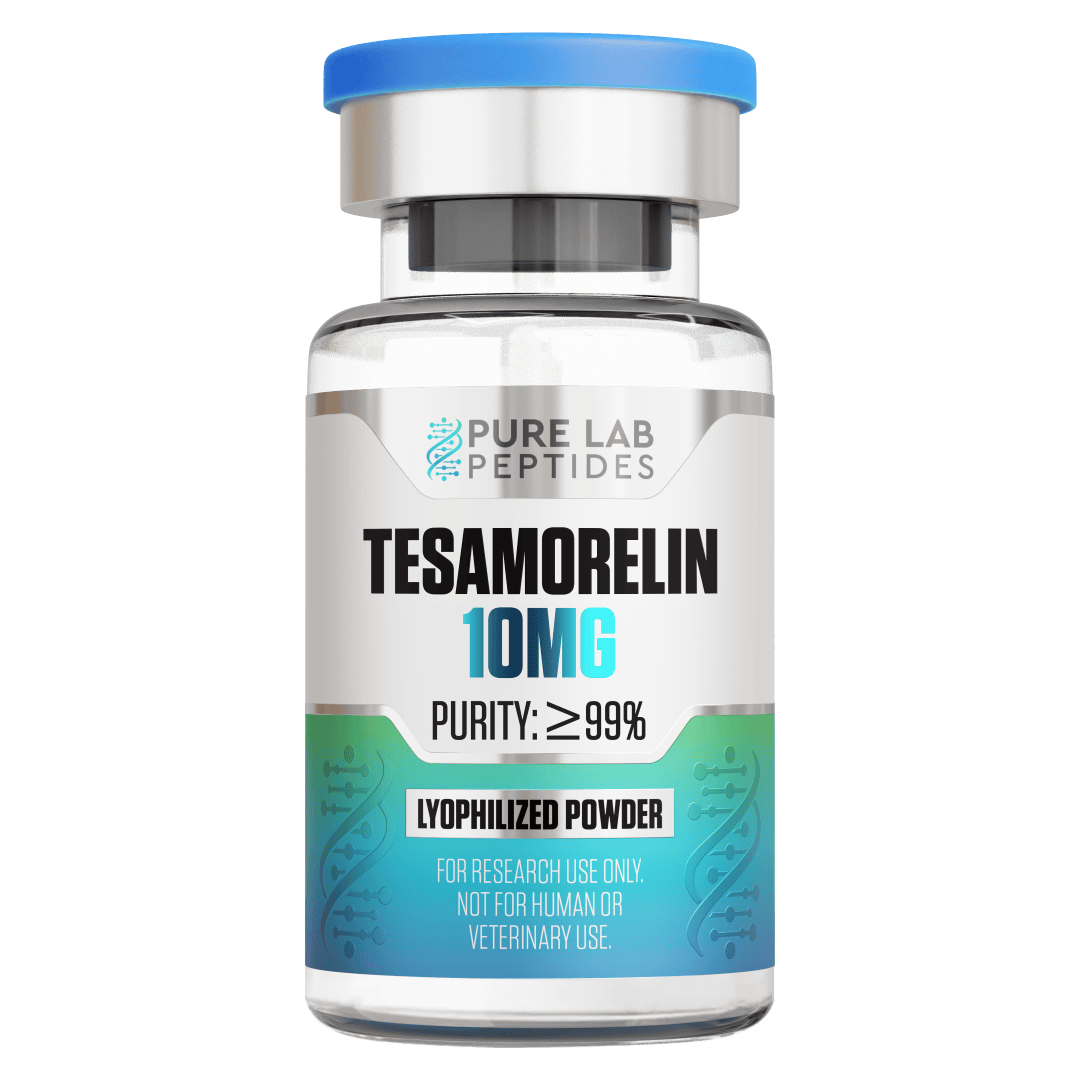
Tesamorelin Research Peptide: Comprehensive Scientific Overview, Peptide Research, and Metabolic Studies in the UK
Tesamorelin is a synthetic growth hormone-releasing hormone (GHRH) analogue that has become one of the most extensively researched peptides in metabolic science, endocrinology, and peptide biology. Developed as a modified version of human GHRH, Tesamorelin was designed to provide improved stability while maintaining the biological activity of the naturally occurring hormone. Today, it remains a significant subject of scientific investigation due to its well-documented interaction with growth hormone signalling pathways and metabolic regulation mechanisms. (Peptide Garden)
Within the United Kingdom, interest in peptide research continues to expand as scientists explore the complex relationships between hormone signalling, cellular communication, body composition, and metabolic health. Tesamorelin is frequently discussed within research communities because it is the only GHRH analogue that has received FDA approval for a specific medical indication, making it one of the most extensively studied compounds in its class. (Peptide Science Institute)
This educational guide explores Tesamorelin research peptide, its scientific background, biological significance, research applications, and role in modern peptide science.
What Is Tesamorelin?
Tesamorelin is a synthetic 44-amino-acid peptide analogue of human growth hormone-releasing hormone. Researchers modified the native GHRH molecule by adding a trans-3-hexenoic acid group to improve stability and resistance to enzymatic degradation. This modification allows Tesamorelin to remain active longer than natural GHRH in research models. (Peptide Garden)
Scientists commonly investigate Tesamorelin in relation to:
- Growth hormone signalling
- Endocrine communication pathways
- Metabolic regulation research
- Cellular signalling systems
- Body composition studies
- Growth factor biology
- Experimental peptide science
These research areas continue to contribute to the growing scientific interest surrounding this peptide. (Peptide Science Institute)
Understanding Growth Hormone-Releasing Hormone
Growth hormone-releasing hormone is naturally produced within the hypothalamus and serves as a key regulator of growth hormone secretion. GHRH interacts with receptors located on pituitary somatotroph cells, stimulating the release of endogenous growth hormone.
Researchers study GHRH because it influences:
- Hormonal communication systems
- Growth hormone regulation
- Cellular signalling networks
- Endocrine feedback mechanisms
- Metabolic adaptation pathways
- Biological response systems
Tesamorelin was developed to provide a more stable model for investigating these biological processes. (peptidesdirect.io)
Mechanism of Action in Research Models
Tesamorelin functions by binding to GHRH receptors located in the anterior pituitary gland. This interaction stimulates the release of endogenous growth hormone, which subsequently influences downstream signalling pathways involving insulin-like growth factor-1 (IGF-1). Researchers continue studying how these pathways regulate cellular adaptation and metabolic responses. (Peptide Advisors)
Current investigations focus on:
- GHRH receptor activation
- Growth hormone secretion pathways
- IGF-1 signalling networks
- Cellular communication systems
- Endocrine regulation mechanisms
- Metabolic signalling pathways
These studies contribute to a broader understanding of hormone-mediated biological regulation. (Peptide Garden)
Research Applications of Tesamorelin
Tesamorelin is primarily utilised in laboratory and scientific research environments. Researchers employ controlled experimental models to investigate hormone signalling and metabolic biology.
Common research applications include:
- Endocrinology research
- Molecular biology studies
- Metabolic pathway investigations
- Cellular communication analysis
- Growth factor research
- Experimental biotechnology
- Hormone signalling studies
These applications help scientists better understand complex biological systems and peptide-mediated communication. (optmzpeptides.com)
Tesamorelin and Metabolic Research
One of the most significant areas of scientific interest involving Tesamorelin is metabolic biology. Researchers continue exploring how growth hormone-releasing hormone analogues influence metabolic signalling and body-composition-related pathways.
Research areas frequently include:
- Lipid metabolism pathways
- Energy regulation systems
- Hormonal signalling networks
- Adipose tissue biology
- Cellular nutrient sensing
- Metabolic communication mechanisms
Understanding these pathways remains a major objective within contemporary metabolic research. (Peptide Science Institute)
Cellular Communication and Molecular Signalling
Peptides serve as biological messengers that allow cells and tissues to communicate efficiently. Tesamoreln is valuable for research because it provides insight into how endocrine signals influence downstream molecular responses.
Researchers investigate:
- Signal transduction pathways
- Cellular adaptation mechanisms
- Receptor-mediated communication
- Molecular interaction networks
- Hormonal feedback systems
- Biological regulation pathways
These studies are central to modern molecular biology and physiology. (optmzpeptides.com)
Why Tesamorelin Continues to Attract Scientific Interest
Among GHRH analogues, Tesamoreln occupies a unique position due to its extensive clinical and preclinical research history. Scientists continue to study its molecular structure, receptor interactions, and endocrine effects to better understand growth hormone regulation. (Peptide Garden)
Current areas of interest include:
- Growth hormone biology
- Endocrine communication research
- Metabolic signalling pathways
- Cellular regulation systems
- Peptide engineering
- Experimental biotechnology
These developments continue to expand scientific understanding of hormone signalling networks. (optmzpeptides.com)
Scientific Importance of Tesamorelin
Tesamoreln remains relevant across multiple scientific disciplines because it serves as a model compound for investigating endocrine signalling and growth hormone regulation.
Research disciplines commonly associated with Tesamorelin include:
- Endocrinology
- Molecular biology
- Cellular physiology
- Biochemistry
- Biotechnology
- Metabolic science
Together, these fields contribute to a broader understanding of biological communication systems. (Peptide Science Institute)
Quality Standards in Peptide Research
Reliable scientific outcomes require high-quality research materials. Laboratories commonly evaluate peptide products according to strict analytical standards.
Important quality measures include:
- Identity verification testing
- Purity assessment
- Batch consistency analysis
- Manufacturing quality controls
- Independent laboratory validation
- Documentation and traceability
These procedures support scientific reproducibility and accuracy. (optmzpeptides.com)
Storage and Handling Recommendations
Proper storage and handling practices help maintain peptide stability and preserve research quality.
Recommended procedures include:
- Store in a cool, dry environment
- Protect from excessive heat and moisture
- Avoid direct sunlight exposure
- Follow laboratory handling protocols
- Maintain clean research conditions
- Follow manufacturer guidance
Appropriate storage contributes to consistent research outcomes.
Regulatory Information
Tesamoreln is widely studied within scientific and laboratory environments. Researchers should ensure that all investigations comply with applicable UK regulations, institutional policies, and laboratory safety requirements. Information regarding Tesamoreln should be interpreted within a research and educational context. (Peptide Science Institute)
Conclusion
Tesamoreln research peptide remains one of the most extensively investigated GHRH analogues in peptide science. Its relevance to growth hormone signalling, metabolic biology, endocrine communication, and molecular regulation has made it an important subject of scientific study. Researchers continue exploring its biological mechanisms to better understand the intricate systems that govern cellular communication and metabolic adaptation. (Peptide Garden)
As peptide science continues to advance, Tesamoreln remains a valuable tool for investigating hormone signalling pathways, growth factor biology, and metabolic regulation. Ongoing research is expected to further expand scientific knowledge regarding endocrine communication and peptide-mediated biological processes. (optmzpeptides.com)



Reviews
There are no reviews yet.